
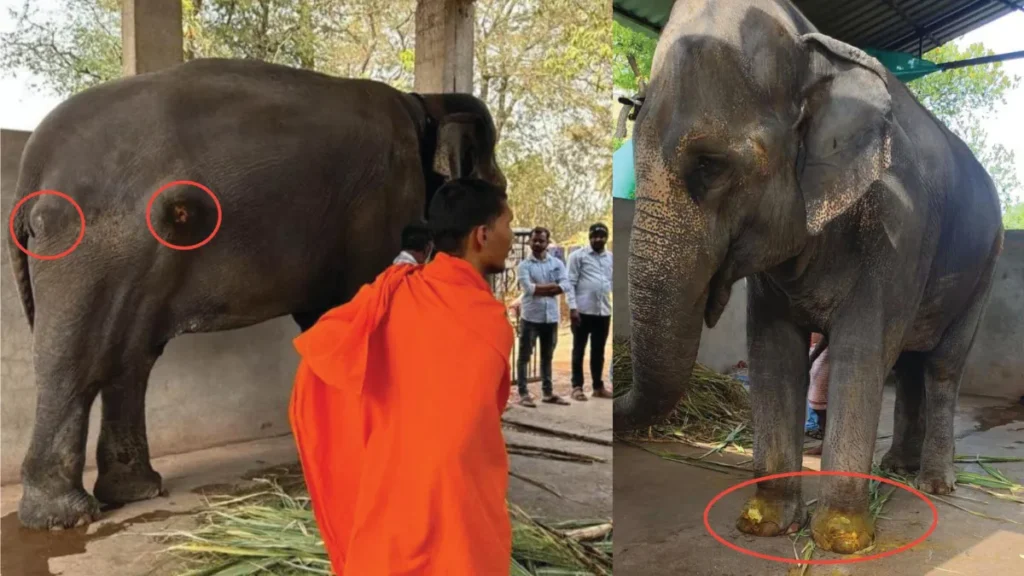
PETA India Raises Concerns Over Future of Elephant Madhuri
A renewed debate over the welfare of Elephant Madhuri, also known as Mahadevi, has emerged after PETA India publicly challenged a proposal that could see the elephant moved from her current rehabilitation facility in Gujarat back to her former home in Maharashtra.
During a press conference held on June 19, 2026, the animal rights organization alleged that a proposal submitted by a religious institution in Kolhapur seeks to reverse court-backed rehabilitation measures that were implemented to address Madhuri’s long-standing physical and psychological health concerns.
The case has once again drawn attention to broader questions surrounding captive elephant welfare in India, particularly the challenges of providing adequate social interaction, veterinary care, and living conditions for elephants that have spent decades in confinement.
Background: A Long Journey From Captivity to Rehabilitation
For more than three decades, Elephant Madhuri lived at Kolhapur’s Nandini Math, where she was reportedly kept in conditions that later became the subject of legal scrutiny. Animal welfare advocates argued that the elephant suffered from inadequate opportunities for socialization and movement, factors considered critical to the well-being of elephants.
The matter eventually reached multiple judicial and regulatory authorities. Following reviews of her condition, decisions were made by the Supreme Court-appointed High Powered Committee (HPC) and later supported by the Bombay High Court. These decisions led to Madhuri’s transfer to the Radhe Krishna Temple Elephant Welfare Trust (RKTEWT) in Jamnagar, Gujarat, a facility commonly known as Vantara.
Authorities examining the case took note of concerns related to her health, including chronic foot problems, arthritis, and behavioural indicators associated with prolonged isolation and pain.
The relocation was viewed by many animal welfare groups as an opportunity to provide the elephant with specialized medical care and an environment more suited to her species-specific needs.
New Application Sparks Controversy
According to PETA India, a fresh application has now been submitted to the High Powered Committee seeking Madhuri’s return to Kolhapur.
The organization argues that the proposal would place the elephant back in the same location where she previously spent much of her life in isolation. PETA India contends that such a move would undermine the rehabilitation efforts that were initiated following judicial intervention.
The group has expressed concern that the proposal could separate Madhuri from the environment and companionship she has developed since arriving in Jamnagar. Welfare experts frequently emphasize that female elephants are highly social animals that naturally live in close-knit family groups. Extended isolation can contribute to stress, anxiety, and behavioural problems.
PETA India maintains that any future decision regarding the elephant should prioritize her welfare needs above all other considerations.
Life at Vantara: Reported Improvements in Health and Behaviour
Since her relocation, reports from Vantara indicate that Elephant Madhuri has experienced significant improvements in both health management and social interaction.
One of the most notable changes has been her opportunity to live alongside other elephants. For the first time in decades, she has reportedly been able to form social bonds with members of her own species, something considered essential for elephant welfare.
According to facility reports, Madhuri has developed a close relationship with another rescued elephant. Caregivers say the two animals spend time together, participate in enrichment activities, attend hydrotherapy sessions, and communicate through natural elephant vocalizations.
Animal behaviour specialists often describe such interactions as important indicators of emotional well-being. Social bonding can help reduce stress and encourage more natural behaviour patterns among captive elephants.
In addition to companionship, Madhuri has been receiving ongoing veterinary attention for chronic medical conditions that developed over many years.
Health Concerns Remain a Key Issue
A major aspect of the current debate involves the elephant’s long-term medical needs.
Experts involved in her care have previously documented serious health conditions, including chronic foot disease and bone-related ailments. These problems are common among captive elephants that spend extensive periods standing on hard surfaces rather than walking on natural terrain.
Although her condition is reportedly being managed, animal welfare advocates emphasize that many of these issues are permanent and require continuous monitoring and specialized treatment.
PETA India argues that moving Madhuri over a long distance by road could pose additional risks, particularly given her age and existing health concerns. The organization has questioned whether adequate veterinary infrastructure would be available if she were transferred away from the rehabilitation facility where she currently receives treatment.
The group believes any relocation decision should carefully consider both the physical demands of transportation and the long-term availability of medical support.
Also read: Anant Ambani Donation: ₹18 Crore Contribution Announced for Kerala Temples and Elephant Welfare
Questions Over Earlier Public Assurances
The controversy has also revived discussion about earlier public statements regarding future plans for elephant care facilities in Maharashtra.
In 2025, public assurances were reportedly made about the possibility of developing a modern elephant care centre equipped with advanced veterinary infrastructure and rehabilitation facilities.
Descriptions of the proposed centre included features such as dedicated medical services, hydrotherapy facilities, treatment areas for physical rehabilitation, and larger spaces designed to encourage natural movement.
However, PETA India now argues that the latest proposal does not reflect those earlier expectations. The organization claims that the current application points instead to plans involving the site where Madhuri previously lived, raising concerns about whether the promised infrastructure ever materialized.
The discrepancy between earlier public discussions and the current proposal has become a significant point of contention in the ongoing debate.
Legal Position and Ongoing Proceedings
Despite the controversy, no final decision has yet been announced regarding Madhuri’s future.
PETA India stated that the High Powered Committee has not approved the proposed relocation and that previous judicial directions supporting her rehabilitation remain in effect.
The organization has formally submitted objections to the proposal and is seeking Madhuri’s continued residence at the Jamnagar facility. It argues that maintaining the elephant in her current environment would be consistent with prior legal findings and welfare recommendations.
The matter now rests with the relevant authorities, who will be required to assess the proposal in light of existing court orders, veterinary evidence, and welfare considerations.
Also read: Supreme Court Upholds Clean Chit to Vantara, Calls Relocation of Settled Animals ‘Cruelty’
A Wider Debate About Captive Elephant Welfare
The case of Elephant Madhuri highlights broader challenges facing elephant management and welfare across India.
Elephants are among the most intelligent and socially complex animals in the world. Scientific research has repeatedly shown that they require extensive space, regular movement, social interaction, and specialized healthcare to maintain good physical and psychological health.
As public awareness of animal welfare issues continues to grow, cases involving captive elephants increasingly attract scrutiny from courts, conservationists, veterinarians, and animal rights organizations.
For many observers, the outcome of Madhuri’s case could serve as an important reference point for how similar welfare disputes are handled in the future.
While opinions remain divided, one issue is largely undisputed: any decision regarding Elephant Madhuri’s future will carry significant implications for her quality of life. As authorities review the competing arguments, the central question remains whether her long-term welfare is best served by remaining in her current rehabilitation environment or by returning to her former home.
Until a final determination is made, Elephant Madhuri’s story continues to stand at the intersection of animal welfare, legal oversight, and public concern for the treatment of captive wildlife.