Ahmedabad, March 21:
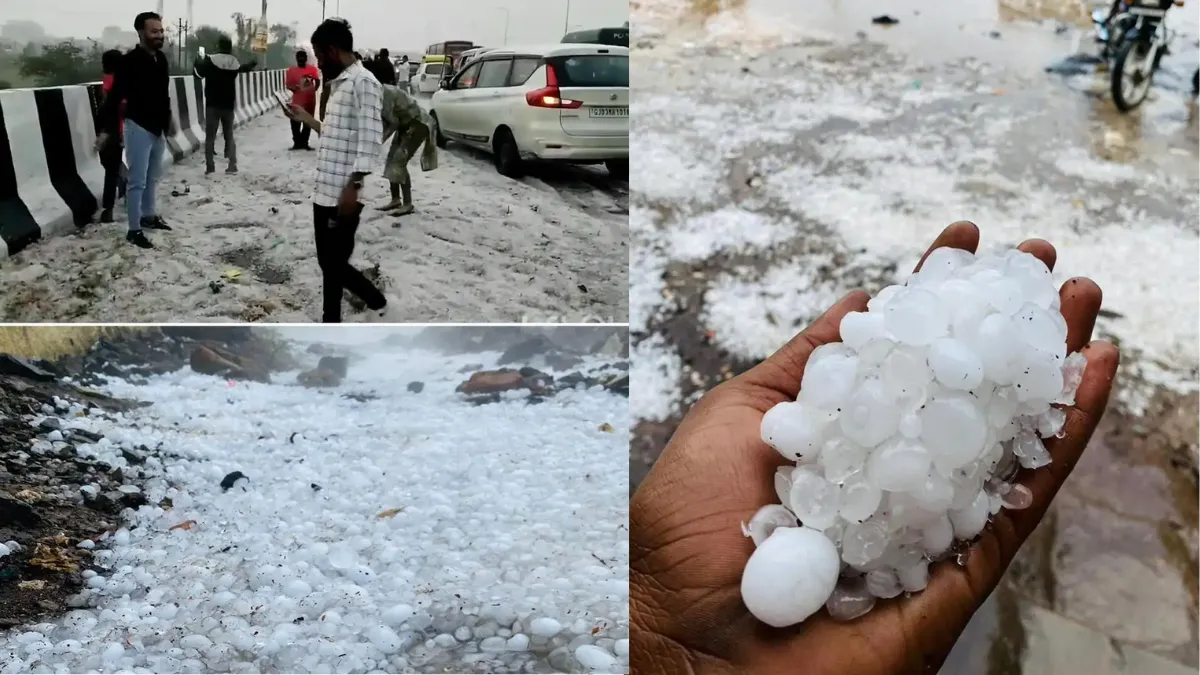
The latest Gujarat unseasonal rain forecast has raised fresh concerns across the state, as the India Meteorological Department (IMD) predicts continued rainfall activity over the next seven days. Triggered by an active cyclonic circulation and a western disturbance, Gujarat has already witnessed unexpected showers over the past three days, causing disruption in several regions and anxiety among farmers.
According to weather officials, light to moderate rainfall is likely to continue in multiple districts, including Kutch, Gir Somnath, Sabarkantha, and parts of North Gujarat. The sudden spell of rain, unusual for this time of year, has already caused localized damage and may continue to impact agricultural activities if the pattern persists.
Rainfall Activity Intensifies in Saurashtra
Over the last 24 hours, several parts of Saurashtra recorded significant rainfall, with some areas receiving up to 41 mm of precipitation. Regions such as Una and Gir-Gadhada witnessed heavy water accumulation, with visuals showing roads resembling flowing streams. In certain villages, the heavy rain also disrupted electricity supply, adding to the difficulties faced by residents.
The situation was particularly alarming in rural pockets, where infrastructure struggled to cope with the sudden weather change. Reports indicated that water levels rose rapidly in low-lying areas, affecting connectivity and daily life.
Seven-Day Forecast Signals Continued Showers
Weather scientist Ramashray Yadav from the IMD stated that the Gujarat unseasonal rain forecast indicates continued light to moderate rainfall across the state over the next week. North Gujarat districts such as Banaskantha, Sabarkantha, Patan, and Mehsana are likely to receive light showers.
Similarly, regions in Saurashtra and coastal belts—including Kutch, Amreli, Bhavnagar, Gir Somnath, and Diu—are also expected to experience intermittent rainfall. While the intensity may not be extreme, the persistence of these showers during the pre-summer period is unusual and noteworthy.
Yadav further added that temperatures are expected to rise gradually by 3 to 5 degrees Celsius over the next two days. Ahmedabad recorded a maximum temperature of around 35°C on Thursday, and a gradual increase is anticipated despite the cloudy conditions.
Unseasonal Rain Causes Damage, Farmers Worried
The unexpected rainfall over the past two days has already caused significant disruption in several parts of Gujarat. Strong winds accompanying the showers led to trees being uprooted and hoardings collapsing in some areas. Urban and rural regions alike reported minor damage to property and infrastructure.
However, the biggest concern remains for farmers. The ongoing Gujarat unseasonal rain forecast has heightened anxiety among the agricultural community, as standing crops are at risk of damage due to excess moisture. Crops such as wheat, cumin, and vegetables are particularly vulnerable at this stage, and even light but continuous rainfall could affect yield quality and quantity.
Farmers are closely monitoring weather updates, hoping for a break in rainfall to prevent further losses.
No Immediate Heatwave Threat
Weather expert Paresh Goswami provided some relief, stating that no heatwave conditions are expected until the end of March. According to him, temperatures will rise gradually by 2 to 3 degrees Celsius in the coming days, but extreme heat is unlikely in the immediate future.
Goswami noted that heatwave conditions may begin in early April, particularly after April 4. During this period, temperatures across Gujarat could climb to 41–42°C. For now, however, the state remains under the influence of mild weather conditions due to the recent rainfall activity.
In Ahmedabad, maximum temperatures are expected to hover between 37°C and 38°C in the coming days.
Another weather expert, A.T. Desai, also indicated a slight increase in temperatures by 1 to 1.5 degrees Celsius. He emphasized that no major weather system is currently intensifying further, suggesting that rainfall intensity may remain moderate rather than severe.
Flood-Like Situation in Gir Region
One of the most striking impacts of the recent unseasonal rain was witnessed in the Gir-Gadhada region. In Ebhalvad village, the Shagavada river swelled due to continuous rainfall, creating a flood-like situation despite it being peak summer.
The river flowed at full capacity, with water crossing both banks—an unusual sight during this season. In Harmadiya village, water overflowed onto a low-lying causeway connecting nearby areas. Locals were seen crossing the submerged path at great personal risk, highlighting the seriousness of the situation.
Such incidents underline the unpredictable nature of current weather patterns and the challenges they pose to rural communities.
Also Read: What Is Ailing Dawood Ibrahim? Diabetes, Gangrene, and Poisoning Rumours Fuel Global Speculation
What Lies Ahead?
As per the latest Gujarat unseasonal rain forecast, the state is expected to remain under the influence of mild rainfall activity for the next several days. While no extreme weather warnings have been issued, the continuation of light showers could still have cumulative effects, especially in agriculture-dependent regions.
Authorities are keeping a close watch on developments, and residents are advised to stay updated with official weather bulletins. Farmers, in particular, are urged to take precautionary measures to protect crops wherever possible.
Also Read: Banaskantha Bharti 2026: Golden Opportunity to Get a Job Without Exam, Salary Details Inside
Conclusion
The ongoing spell of unseasonal rain has brought temporary relief from rising temperatures but has also introduced new challenges for Gujarat. With the Gujarat unseasonal rain forecast predicting continued rainfall for the next week, the focus now shifts to minimizing damage and preparing for the upcoming summer heat.
While urban areas may experience minor inconvenience, the real impact will be felt in rural and agricultural sectors. As weather patterns continue to shift unpredictably, the need for preparedness and timely response becomes more critical than ever.