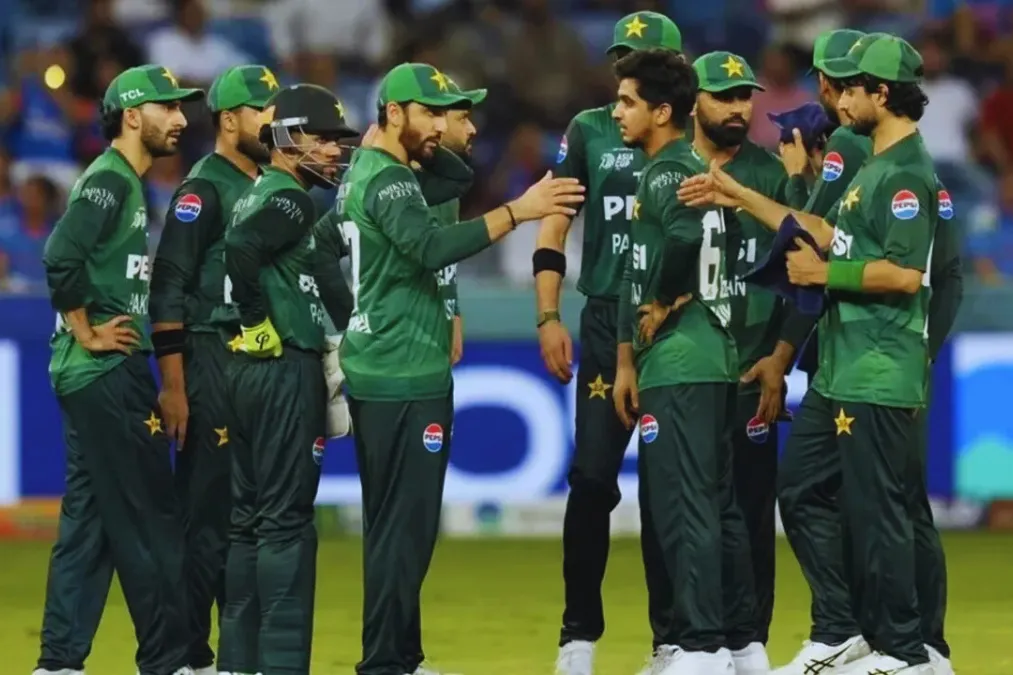
The T20 World Cup 2026 is already facing controversy months before the first ball is bowled, as the Pakistan Cricket Board (PCB) is reportedly considering a dramatic move — boycotting its group-stage match against India. According to multiple Pakistani media reports, including Geo News, the PCB is weighing this option as part of its protest against recent decisions taken by the International Cricket Council (ICC).
The highly anticipated India vs Pakistan clash is scheduled to take place on February 15 in Colombo, one of the marquee fixtures of the tournament. However, growing dissatisfaction within Pakistan’s cricket establishment has raised serious questions about whether the match will go ahead as planned.
PCB Exploring Protest Options Against ICC
Sources cited in Pakistani media suggest that the PCB is currently evaluating several protest measures to formally register its opposition to the ICC. Among these options, refusing to play the group-stage match against India is being considered as a symbolic and strategic step to highlight its objections.
The PCB believes that it has already communicated its concerns to the ICC, but feels that its position has not been adequately addressed. As a result, the board is now assessing stronger actions that could draw international attention and force reconsideration of the ICC’s stance.
While no final decision has been announced, insiders indicate that the idea of a boycott has gained traction within Pakistan’s cricket circles over the past few days.
Background: Bangladesh Controversy Fuels Tensions
The root of the dispute lies in the ICC’s decision to exclude Bangladesh from the T20 World Cup 2026, replacing them with Scotland. The Bangladesh Cricket Board (BCB) had refused to send its team to India, citing security concerns, and requested a change of venue for its matches.
However, the ICC rejected Bangladesh’s request, stating that altering venues so close to the tournament would not be logistically feasible. Following this, Bangladesh was removed from the competition altogether — a move that sparked backlash from several cricket boards, including Pakistan.
The PCB has openly expressed its dissatisfaction with what it sees as unfair treatment of Bangladesh, arguing that the ICC should have explored alternative solutions instead of excluding a full member nation from a global event.
Pakistan’s Initial Boycott Threat Softened — For Now
In the immediate aftermath of the ICC’s decision, Pakistan had reportedly considered boycotting the entire tournament. However, after receiving warnings from the ICC about potential consequences, including sanctions and financial penalties, the PCB stepped back from that extreme position.
On Sunday, Pakistan officially announced its squad for the T20 World Cup 2026, signaling its intent to participate in the tournament. Despite this, tensions have not subsided, and the focus has now shifted to the possibility of boycotting the India match specifically, rather than the whole competition.
What Happens If Pakistan Boycotts the India Match?
If Pakistan chooses not to take the field against India on February 15, the consequences could be significant — both on and off the pitch.
From a sporting perspective, Pakistan would forfeit the match, resulting in two points being awarded to India. This could have a major impact on group standings and Pakistan’s chances of advancing to the knockout stages.
Financially, the move could hurt not just Pakistan, but the ICC as well. India vs Pakistan matches are among the most lucrative fixtures in world cricket, generating massive global viewership, sponsorship revenue, and broadcast income. A no-show would likely lead to substantial financial losses for the ICC and its commercial partners.
However, analysts warn that Pakistan could also face disciplinary action, including fines or further sanctions, depending on the ICC’s response.
Political Undercurrents and Cricket Diplomacy
The potential boycott highlights the complex relationship between cricket, politics, and governance in international sport. Matches between India and Pakistan are never just about cricket — they carry immense political, emotional, and commercial weight.
In recent years, bilateral cricket between the two nations has been limited, making ICC tournaments the only platforms where fans get to witness this historic rivalry. Any disruption to such a fixture is bound to have far-reaching consequences.
Cricket experts believe the PCB is using the threat of a boycott as leverage, hoping to pressure the ICC into reconsidering its approach toward Bangladesh and to acknowledge Pakistan’s concerns.
Also read: Bangladesh Out From T20 World Cup: PCB Chief Mohsin Naqvi’s ICC Clash Triggers Major Cricket Governance Storm
ICC Yet to Issue Official Response
As of now, the ICC has not released an official statement addressing Pakistan’s reported plans. Tournament organizers are expected to engage in behind-the-scenes discussions to prevent further escalation and ensure that the T20 World Cup 2026 proceeds without disruption.
With the tournament fast approaching, stakeholders across the cricketing world will be watching closely to see whether diplomacy prevails or if the sport’s biggest rivalry becomes collateral damage in an administrative standoff.
Also read: Pakistan Announce T20 World Cup Squad as Selection Calls Spark Debate Amid ICC Controversy
Uncertainty Looms Over a Marquee Clash
For fans, the possibility of missing out on an India-Pakistan showdown is deeply disappointing. For the ICC, it presents a governance challenge at a time when stability and unity are crucial.
Whether Pakistan ultimately follows through with its boycott threat remains to be seen. But one thing is clear: the controversy has added an unexpected layer of drama to the T20 World Cup 2026, even before the action begins on the field.