
LPG Supply: As geopolitical tensions escalate in West Asia, India is bracing for a potential energy supply crunch that could directly impact millions of households. The government is reportedly working on a contingency strategy—referred to as “LPG Supply Plan B”—to ensure that cooking gas reaches as many homes as possible, even if supplies tighten further in the coming weeks.
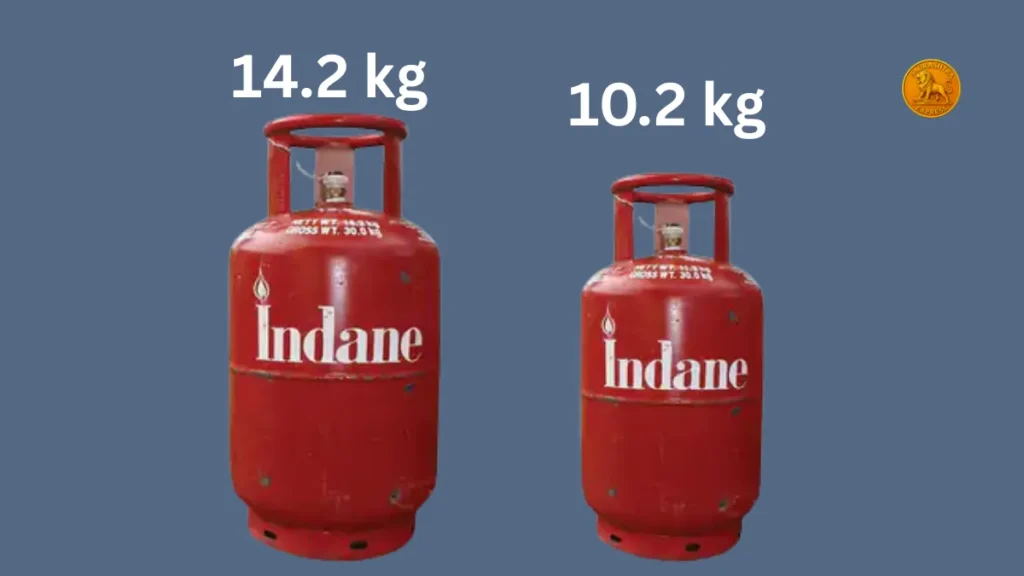
According to industry sources, one of the key measures under consideration involves reducing the quantity of liquefied petroleum gas (LPG) in domestic cylinders from the standard 14.2 kilograms to around 10 kilograms. The move, if implemented, is aimed at conserving available stock and distributing it more widely during a potential shortage.
This development comes at a time when global crude oil and gas supply chains are under stress due to ongoing conflict in the Persian Gulf region, a critical hub for energy exports.
Why Is India Considering an LPG Supply Plan B?
The primary trigger behind this emergency planning is the disruption in global oil and gas supply routes, particularly those passing through the Persian Gulf. Several LPG carriers are reportedly stranded in the region, awaiting clearance due to heightened security concerns.
India, which depends heavily on imports for its LPG needs, is now facing a tightening supply situation. Oil marketing companies (OMCs) are witnessing a rapid decline in their reserves, raising concerns about future availability.
Under normal circumstances, a 14.2 kg LPG cylinder is sufficient for an average Indian household for about 35 to 40 days. However, officials believe that even a 10 kg cylinder can last nearly a month for smaller families. By reducing the quantity per cylinder, authorities aim to stretch existing supplies and prevent a complete disruption in LPG Supply.
What Will Change If the Plan Is Implemented?
If the government proceeds with this strategy, consumers may soon receive cylinders with reduced gas content. To avoid confusion, these cylinders will carry clear labeling indicating the revised quantity.
Additionally, pricing will be adjusted proportionately. This means consumers will pay only for the amount of gas they receive, ensuring transparency in billing.
However, implementing this change will not be straightforward. Bottling plants will need to recalibrate their weighing systems, update packaging processes, and obtain necessary regulatory approvals. These operational adjustments could take time, making the plan a short-term emergency solution rather than an immediate fix.
Pricing of 10 Kg LPG Cylinders: What Can Consumers Expect?
Officials have indicated that if 10 kg cylinders are introduced, their prices will be directly linked to the reduced quantity. A new sticker or label will specify the revised weight, helping consumers differentiate between standard and reduced cylinders.
Despite this clarity, there are concerns that a sudden shift in cylinder weight could lead to confusion among consumers. Many households are accustomed to the 14.2 kg standard, and any abrupt change may lead to skepticism or even resistance.
The timing of such a move could also carry political implications, especially in states heading toward elections. Policymakers are therefore weighing both economic and public sentiment factors before taking a final decision.
Will the LPG Crisis Affect Households or Commercial Users First?
The impact of the supply crunch is expected to be felt across both domestic and commercial sectors, but not simultaneously.
Initially, commercial users—such as restaurants, hotels, and small industries—are likely to face tighter restrictions. In fact, the government had earlier curtailed LPG Supply to commercial users to prioritize household consumption.
Recently, however, around 40% of the supply to commercial users has been partially restored. While this decision supports economic activity, it has also added pressure on already strained domestic supplies.
India’s daily LPG consumption stands at approximately 93,500 tonnes, of which nearly 86% (around 80,400 tonnes) is used by households. This heavy dependence on domestic consumption highlights the importance of maintaining uninterrupted LPG Supply for millions of families.
Interestingly, data from early March shows a 17% decline in overall consumption, indicating that both commercial and industrial users have already started cutting back due to supply concerns.
Are LPG Shipments Reaching India?
At present, the flow of LPG shipments from the Gulf region remains uncertain. The Strait of Hormuz, a crucial maritime route for global energy trade, has witnessed a sharp decline in shipping activity due to ongoing tensions.
Last week, only two vessels carrying around 92,700 tonnes of LPG managed to reach India—roughly equivalent to just one day’s national consumption. Industry data suggests that no significant new shipments are currently en route to the country.
This disruption is particularly alarming because India imports nearly 60% of its LPG requirements, with about 90% of those imports traditionally coming from Gulf nations before the conflict escalated.
The reduced inflow of shipments has intensified concerns about sustaining steady LPG Supply in the coming weeks.
How Serious Is the Current LPG Supply Situation?
Government officials have acknowledged that the situation is becoming increasingly concerning. Senior representatives from the petroleum ministry have emphasized the need for cautious usage and conservation.
While domestic deliveries are currently continuing without major interruptions, the declining stock levels are a cause for worry. The partial resumption of commercial LPG Supply has further strained reserves.
Experts warn that if global conditions do not improve soon, India may have limited options left other than implementing emergency measures like reduced cylinder sizes.
How Long Did Recent LPG Shipments Last?
The few shipments that recently arrived in India provided supply equivalent to just one day of national consumption. This highlights the scale of India’s dependence on continuous imports.
With fewer vessels passing through the Strait of Hormuz, replenishing stock has become increasingly difficult. The bottleneck in supply chains has exposed vulnerabilities in the country’s energy security framework.
What Lies Ahead for LPG Supply in India?
Looking forward, the next few weeks are expected to be critical. Government officials have indicated that the situation could worsen if geopolitical tensions persist and shipping routes remain disrupted.
In such a scenario, conservation of available resources will become essential. The proposed reduction in cylinder size is just one of several measures being evaluated to manage the crisis.
Despite the challenges, the government maintains that domestic LPG Supply remains stable for now. However, industry experts caution that this stability may not last long if global supply chains fail to normalize.
Balancing Supply, Demand, and Public Sentiment
Any decision regarding LPG Supply is not just an economic or logistical issue—it also carries significant social and political implications. Cooking gas is an essential commodity for millions of Indian households, and even minor disruptions can have widespread consequences.
Authorities are therefore trying to strike a balance between ensuring equitable distribution, maintaining public confidence, and managing limited resources effectively.
Conclusion: A Preventive Step in Uncertain Times
The proposed LPG Supply Plan B reflects the government’s proactive approach to dealing with a potential crisis. While the idea of receiving less gas per cylinder may not be welcomed by all, it could prove to be a necessary step to ensure that no household is left without access to cooking fuel.
As global uncertainties continue to impact energy markets, India’s focus remains on safeguarding its domestic needs. Whether through reduced cylinder sizes, controlled distribution, or alternative supply strategies, maintaining a stable LPG Supply will remain a top priority in the weeks ahead.
For now, consumers are advised to use LPG judiciously and stay informed about any official announcements regarding changes in supply or pricing.